Visiting Svalbard: Humanity's Cold Storage

The Doomsday Vault
Meet the most famous facility in Longyearbyen, the Svalbard Global Seed Vault. It is a global backup of the world’s crop diversity. The vault stores over $1 \text{ million}$ seed samples from almost every country on Earth. The seeds are stored deep inside a mountain, frozen naturally by permafrost, keeping seeds frozen even without electricity. This vault keeps the seeds, our most precious resource on earth, far from anything that can harm them.
In the movie WALL-E, the robot EVE visits earth to find self-sustaining plant life. She just had to go to Svalbard to fulfil her task, but I guess the movie would have been much less interesting. It is a must watch! In essence, the Doomsday vault is literally a backup of agriculture.

Storing genetic code of the world
A less famous, but equally fascinating archive consists of frozen biological samples. It stores DNA from plants, animals, and microbes and ice cores drilled from glaciers. These samples preserve, past climates, ancient atmospheres, genetic diversity that may disappear over time. It is some kind of time-capsule to represent Earth’s biology and climate.
Other than biological material, cultural and historical data is also being stored on the Island. The Arctic World Archive initiative already stores historical and cultural data from Italy, Brazil, Norway, the Vatican, and many others. GitHub, the online platform known for software storage made on $02/02/2020$ a backup of all their active public repositories. This backup is preserved in the Arctic World Archive. Unfortunately, neither the Ingenium Blog repository, neither my own personal code, is included in this collection as I only started coding in a serious manner around the end of 2020.
Listening to the planet’s heartbeat
Another crucial activity which is done at Svalbard is listening to the planet. The Svalbard Satellite Station, just outside Longyearbyen, is one of the world’s most important satellite ground stations. The station receives data from earth-observing satellites. It tracks climate, ice loss, deforestation, oceans and weather. Because of its position near the pole almost every polar-orbiting satellite passes overhead, and data can be downloaded multiple times per day.
Why the Arctic Is the Perfect Archive
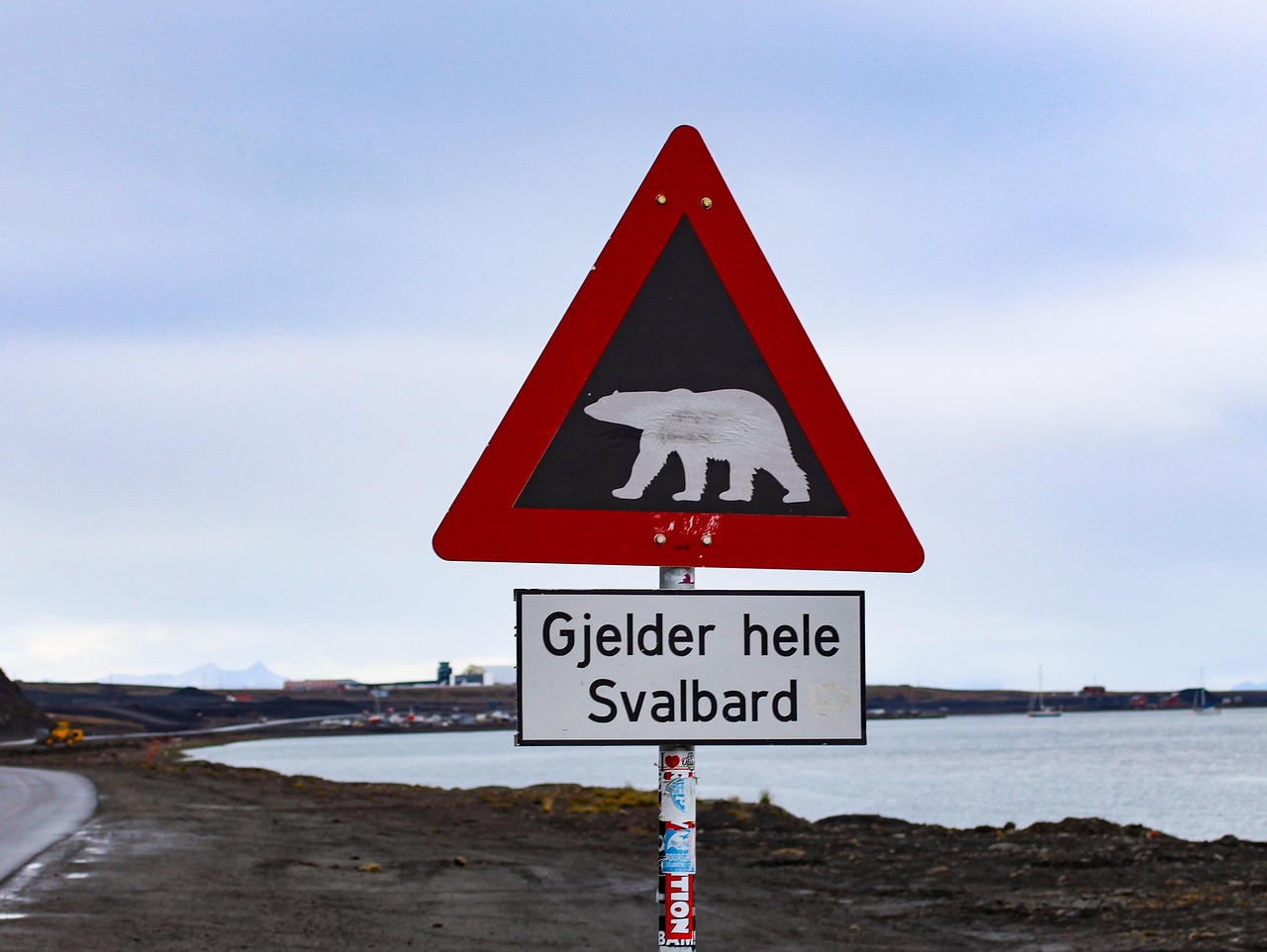
In Longyearbyen, time moves more slowly. Hence, it is the perfect place for storing seeds, data and DNA. A civilization aware of its own fragility creates backups of itself and Svalbard is its cold storage.Longyearbyen was not supposed to be inhabited by people. As you need to have the protection with polar bears, it is mandatory to walk outside armed with a gun. You cannot be born there because there is no maternity ward.
It’s a place built for preservation, not permanence.


Comments
Post a Comment